Kat's Window on Thailand
- December 30, 2002 Farewell to a Friend
- December 23, 2002 Closing the Window
- December 16, 2002 Farang Mishaps
- December 9, 2002 You Just Gotta Love Thailand
- December 2, 2002 Local watering holes
- November 25, 2002 Interview With Muay Thai Boxers
- November 18, 2002 Transportation Thai Style
- November 11, 2002 Uniquely Thailand Part II
- November 4, 2002 Talking With University Students
- October 28, 2002 Eating on the Street
- October 21, 2002 Muay Thai
- October 14, 2002 All about beer
- October 7, 2002 Khao San Road
- September 30, 2002 Talking about the Darker Side - Part II
- September 23, 2002 Talking about the Darker Side - Part I
- September 16, 2002 Thai Silk
- September 9, 2002 Learning to Speak Thai
- August 26, 2002 Bei Pai Mai?
- August 19, 2002 Rice
- August 12, 2002 Talking to a restaurant worker--Part II
- August 5, 2002 Talking to a restaurant worker--Part I
- July 29, 2002 The Rains Retreat
- July 22, 2002 Going for gold
- July 15, 2002 Wandering Into Words of Wisdom - Part Two
- July 8, 2002 Wandering Into Words of Wisdom - Part One
- July 1, 2002 Contemplating Two Years of Kat's Window
- June 24, 2002 Talking With Tourists
- June 17, 2002 Baskets
- June 10, 2002 Etiquette
- June 3, 2002 Thai Houses
- May 27, 2002 Out of Context
- May 6, 2002 Talking to a Pharmacist
- April 29, 2002 For Richer or Poorer
- April 22, 2002 Uniquely Thailand
- April 15, 2002 Talking To A Street Kid
- April 8, 2002 Expatriates in Thailand
- April 1, 2002 Interview With A Hotel Manager
- March 25, 2002 How Is Your Heart?
- March 11, 2002 Parks
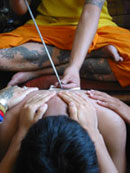
- March 4, 2002 Tattoos and Trances
- February 28, 2002 Noise, Noise, Noise
- February 25, 2002 Talking to a Flower Vendor
- February 18, 2002 Spare Any Change?
- February 11, 2002 Insects For Lunch?
- February 4, 2002 Talking to a Som Tam Vendor
- January 17, 2002 Talking About Thai Traditional Medicine
- January 7, 2002 Pedestrian Mishaps
- December 31, 2001 A Christmas Story
- December 24, 2001 Bangkok's Taxis
- December 17, 2001 Talking About Dating
- December 10, 2001 Kat's Parents Come to Bangkok
- December 3, 2001 Visiting A Thai Prison
- November 26, 2001 Flowers and Plants
- November 19, 2001 Talking To A Social Activist
- November 12, 2001 A Great Bangkok Getaway
- November 5, 2001 Rodney Takes The Ring
- October 29, 2001 Chapter Five
- October 22, 2001 The Rooster Saga
- October 15, 2001 Talking About A Laundry Business
- October 8, 2001 Laundry Time
- October 1, 2001 Pretty Pictures
- September 24, 2001 Strange Structures
- September 17, 2001 Talking About Tuk-Tuks
- September 10, 2001 Last Call
- September 3, 2001 Talking to a Masseuse
- August 27, 2001 My Grocery Store
- August 20, 2001 Amulets
- August 13, 2001 The Pecking Order
- August 6, 2001 Amazing Bureaucracy
- July 23, 2001 Country Saloons
- July 16, 2001 Talking About Salt and Brooms
- July 9, 2001 Magic Hills
- July 2, 2001 Chewing Betel
- June 25, 2001 It's Not My Fault
- June 18, 2001 Talking to a Food Vendor
- June 11, 2001 Looking at Death
- June 4, 2001 Talking to Charlie
- May 28, 2001 Personal Hygiene
- May 21, 2001 Rooster Fighting
- May 14, 2001 Talking About Fruit
- May 7, 2001 Sing a Song
- April 30, 2001 Baskets and a Hubcap
- April 23, 2001 Service With a Smile
- April 16, 2001 Bangkok's Elephants
- April 9, 2001 Songkran
- April 2, 2001 Keeping Your Cool
- March 26, 2001 Beauty
- March 19, 2001 Looking for Luck in All the Right Places
- March 12, 2001 Talking to an Amazing Student
- March 5, 2001 The Different Doors
- February 26, 2001 Synchronicity
- February 19, 2001 Domestic Mishaps
- February 12, 2001 Where Are You Going?
- February 5, 2001 Mind Your Manners
- January 29, 2001 Temple Fairs
- January 22, 2001 Recycling in Thailand
- January 21, 2001 Bargaining
- January 15, 2001 Where Has All My Garbage Gone?
- January 8, 2001 Talking about Buddhism
- January 1, 2001 Eating in Thailand
- December 25, 2000 Thais Just Want to Have Fun
- December 18, 2000 Interview with a Motorcycle Taxi Driver
- December 11, 2000 My Favourite Destination
- December 4, 2000 Talking About Family Values
- November 27, 2000 Watching Them Watching You
- November 20, 2000 What is a 'wai'?
- November 13, 2000 Status
- November 6, 2000 The Festival of Loy Kratong
- October 30, 2000 Interview with a Shop Owner
- October 23, 2000 Checking Out Bangkok's Canals
- October 16, 2000 The Ghost of Nang Naak
- October 9, 2000 Spirits and Ghosts
- October 2, 2000 Togetherness
- September 25, 2000 From Head to Toe
- September 18, 2000 Rain On Me
- September 11, 2000 Beat Your Own Track
- September 4, 2000 Fasten Your Seatbelts and Prepare for Take-off
- August 28, 2000 Yes Ma'am, Sir
- August 21, 2000 Spirit Houses
- August 14, 2000 Passing Away in Thailand
- August 7, 2000 Navigating the Streets of Bangkok
- July 31, 2000 Napping, Napping Everywhereâ¦.But Not a Nap for Me
- July 24, 2000 Clank Clank Clank
- July 17, 2000 Interview With A Country
- July 10, 2000 The Bed
- July 3, 2000 Life Begins on Planet Bangkok